

Healthy Skin
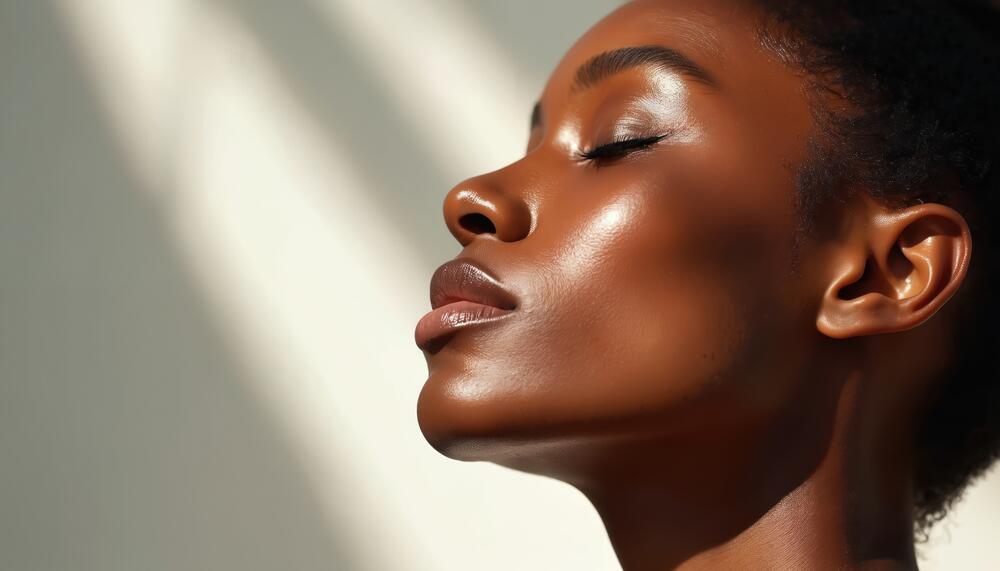
Healthy Skin
Hormones are chemicals made by glands in your endocrine system that travel through your bloodstream, delivering important instructions to your organs and tissues. Your body produces many types of hormones, each with a unique role. Having hormone levels that are too high or too low may cause symptoms and medical conditions including increased skin sensitivity. Hormones can trigger oil-producing glands to make more oil. That excess oil can clog up pores and cause bacteria to multiply. The result may be red, irritated and inflamed skin, and blackheads, pimples and sometimes cysts. Hormonal imbalances can lead to health issues, such as hormonal acne — often linked to fluctuations in reproductive hormones.
Supporting your overall health and wellness by taking the following actions may help balance your hormones:
Over the years, sun exposure can cause wrinkles, age spots and may increase your risk of skin cancer. When you’re enjoying some vitamin D, be sure to follow best practices for sun protection: regularly apply sunscreen, take breaks in the shade and wear protective clothing.
Smoking damages collagen and elastin (fibers that give skin its elasticity), making your skin look older.
We demand a lot from our skin and sometimes we’re pretty rough with it. Try shorter showers, mild soaps, a gentle pat to dry yourself and daily moisturizer.
Water helps our bodies flush toxins and keeps the skin hydrated.
Certain foods, like dairy or sugar, could trigger a skin reaction (like acne). Knowing which foods to avoid and eating a nutritious diet could do wonders for your skin.
Stress might throw off your hormones and cause acne breakouts or other skin problems.
For most of the common conditions, you can likely start with a visit to your primary care provider (the doctor or provider you might see for your yearly exam). They can examine your skin and decide whether or not you should see a dermatologist. Be sure to mention any symptoms related to your skin condition. And if you’ve got concerns or a family history that’s important to note, speak up. Your doctor is there to help ease your worries — and any burning, itching, swelling or skin discomfort you might also have.
For more information regarding Women’s Health, visit www.myuhc.com
Legal Disclaimer:
EIN Presswire provides this news content "as is" without warranty of any kind. We do not accept any responsibility or liability for the accuracy, content, images, videos, licenses, completeness, legality, or reliability of the information contained in this article. If you have any complaints or copyright issues related to this article, kindly contact the author above.
