

Umbrella Lab Announces Documentation And Traceability Update For MOTS-C Peptide
TUCSON, Ariz., Sept. 17, 2026 (GLOBE NEWSWIRE) -- Umbrella Labs today announced a documentation and traceability update for its MOTS-C peptide reference material supplied strictly for laboratory developmental research use only. The company update expands an ongoing internal standardization program intended to create more consistent identity records, batch references, documentation language, and research record continuity across materials used in multi-run laboratory workflows.
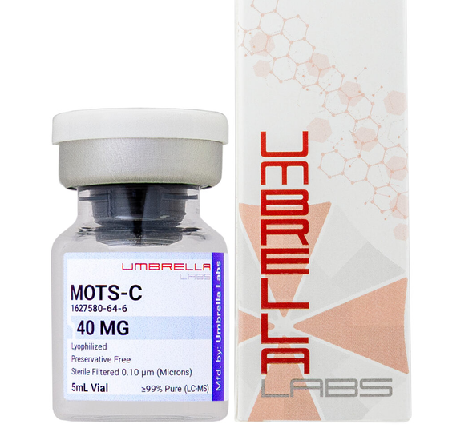
Under the updated framework, Umbrella Labs is standardizing the way MOTS-C is identified and referenced across internal records, quality documentation, receiving information, and supporting research documentation. The objective is to reduce differences in terminology and record structure that can occur when the same research material is documented at separate stages of receiving, storage, analytical review, and experimental planning.
The MOTS-C update also establishes a more consistent structure for linking material identity information with batch-specific records and baseline format information. Umbrella Labs is applying the change as part of a broader company initiative focused on documentation integrity rather than biological or outcome-based claims. The announcement is centered on operational improvements intended to support laboratories that require clear and repeatable records when MOTS-C is incorporated into analytical or experimental research programs.
As part of the update, Umbrella Labs has consolidated the primary reference information associated with MOTS-C into a stable research record that can be used when matching internal laboratory documentation with supplier records. The MOTS-C peptide reference at https://umbrellalabs.is/shop/peptides/peptide-vials/mots-c-peptide-10mg-vial/ provides a consistent point of reference for laboratories recording material identity, format information, and related research documentation. Maintaining one consistent reference helps reduce differences in naming when material information is entered into inventory systems, study records, receiving documents, or laboratory information management systems. Laboratories buying for research can use the same reference throughout a project rather than creating separate naming conventions at different stages of the workflow. The change is intended to strengthen documentation continuity while maintaining the material's strict laboratory research use only scope.
Company Update Focuses On Documentation Consistency
The central purpose of the MOTS-C update is to improve consistency in how the material is documented from initial receiving through research recordkeeping. Umbrella Labs identified documentation continuity as an area where small inconsistencies can create unnecessary administrative complexity during longer research programs.
A laboratory project may reference the same research material in purchasing documentation, receiving records, internal inventory systems, analytical worksheets, preparation records, instrument files, and final research reports. When naming conventions or identity fields differ between those records, confirming that each document refers to the same material can require additional review.
Umbrella Labs is addressing this issue by aligning the primary MOTS-C naming structure and related reference fields under one documentation framework.
The update does not establish an experimental protocol. It instead establishes a consistent administrative and quality-documentation baseline that research organizations can incorporate into their own established procedures.
Standardized MOTS-C Naming Structure
One component of the update is a standardized naming structure for MOTS-C.
Scientific materials can accumulate multiple capitalization styles, punctuation conventions, abbreviations, and informal identifiers as information moves between purchasing systems and laboratory records. Even minor differences can result in duplicate inventory entries or make historical records more difficult to locate.
Umbrella Labs has aligned the primary material name as MOTS-C across its internal documentation framework. This standardized form is intended to be used consistently in reference records, supporting documentation, and related company records.
A consistent name improves searchability and simplifies cross-referencing when a laboratory needs to compare receiving documentation with an experiment performed at a later date.
The naming update is particularly relevant for multi-stage research projects in which the same reference material may appear in several databases or document types before the study is completed.
Identity-Field Alignment
Umbrella Labs has also updated the structure used to present material identity information.
Under the new framework, identity fields are arranged using a consistent order and terminology so that the same information can be referenced predictably across different documentation types. Consistent field structure can reduce transcription errors and make records easier to compare during internal review.
Research laboratories commonly maintain their own documentation requirements, and the company update is not intended to replace those systems. Instead, the Umbrella Labs reference structure provides a stable supplier-side record that laboratories can map to their existing inventory, procurement, and study documentation.
This approach can be particularly useful when research programs involve multiple operators or when a study is repeated after a significant interval. A standardized reference allows earlier and later records to be compared against the same identity framework.
Batch Traceability And Record Mapping
Batch traceability is another central part of the update.
Umbrella Labs has strengthened the relationship between batch identifiers and associated internal documentation records for MOTS-C. The objective is to maintain a clearer record chain so that a batch referenced in receiving information can be connected with the corresponding documentation maintained for that material.
This type of traceability supports research environments in which material history must be reviewed during replication, method transfer, analytical comparison, or internal quality assessment.
If different experimental runs produce different analytical observations, one of the first administrative questions is whether the material references used in each run were documented consistently. A clear batch record can help a laboratory answer that question before evaluating other variables.
Umbrella Labs is applying the same principle across its wider documentation standardization program, with the intention of creating more consistent record structures for frequently referenced research materials.
Research Use Only Scope Remains Unchanged
The MOTS-C documentation update does not change the intended scope of the material.
MOTS-C supplied by Umbrella Labs remains strictly for laboratory developmental research use only. The material is intended for controlled research settings operating under appropriate institutional procedures for biochemical research materials.
The update does not establish or imply diagnostic, clinical, therapeutic, veterinary, or household applications.
Maintaining clear and consistent scope language is itself part of the documentation initiative. Umbrella Labs has standardized research-use-only statements so the same terminology can be carried through reference records and supporting company documentation without conflicting wording.
This consistency helps laboratories maintain cleaner compliance records when supplier documentation is incorporated into internal files.
Supporting Multi-Run Laboratory Research
One reason for expanding documentation controls is the increasing complexity of modern multi-run laboratory projects.
Research programs may involve exploratory analytical work followed by method development, validation, repeated testing, and later replication. The same reference material may therefore appear across records created weeks or months apart.
Without consistent identifiers and documentation structure, administrative drift can develop even when the underlying research material has not changed.
Umbrella Labs is treating documentation stability as an important part of supporting reproducible research workflows.
For MOTS-C research programs, laboratories may use the reference material in analytical characterization, stability assessment, assay development, method validation, or other controlled non-clinical experimental systems. Regardless of the specific platform, the ability to identify the research material consistently across every phase supports clearer internal records.
The company update is intended to make that consistency easier to maintain.
Format And Handling Documentation
Umbrella Labs has also standardized the way baseline material-format and handling information is described in company records.
These statements are designed for documentation consistency and should not be interpreted as a replacement for laboratory-specific procedures. Research organizations remain responsible for determining appropriate handling conditions under their own institutional protocols and experimental requirements.
The company-side objective is to avoid situations in which different documents describe the same material using substantially different terminology.
Consistent format descriptions can be especially important when laboratory teams transfer a method internally. A new operator reviewing an established study should be able to compare the original material record with the current reference without having to determine whether differences in wording represent actual differences in the material.
Research Procurement And Record Continuity
The update also addresses documentation used when laboratories are buying for research.
Procurement records are often the first point at which a research material enters an organization's documentation system. If the name recorded at procurement differs from the name later used in inventory or analytical records, the documentation chain can fragment before an experiment begins.
Umbrella Labs is therefore aligning research procurement references with the same naming and identity structure used throughout its documentation framework.
This approach allows purchasing records, receiving records, internal inventory entries, and study documentation to reference the same standardized identity.
For laboratories managing multiple projects, such consistency can reduce duplicate entries and simplify searches for earlier material records.
It also supports longer-term research programs where procurement information may need to be reviewed alongside later analytical data.
Reducing Documentation Drift
Documentation drift occurs when small changes accumulate in the way a research input is described.
One operator may use a shortened name. Another may record a different punctuation style. A purchasing system may use one identifier while an experimental worksheet uses another. Over time, these differences can make records appear to describe separate materials.
Umbrella Labs' MOTS-C update is specifically intended to reduce this type of drift.
The company is establishing a preferred reference structure and applying it consistently across relevant records. This creates an administrative anchor that research organizations can reference when standardizing their own internal records.
Documentation drift is particularly important in replicated studies because it can complicate retrospective review. A laboratory attempting to reproduce an earlier experiment may spend unnecessary time determining whether differently named entries actually refer to the same input.
Standardized records reduce that ambiguity.
Recordkeeping Considerations For Research Laboratories
Umbrella Labs recommends that research organizations maintain their own complete internal documentation in accordance with established procedures.
Common recordkeeping fields may include the standardized material name, batch reference, receiving date, storage location, project identifier, and applicable preparation or analytical records.
When a research workflow includes preparation steps, laboratories may also choose to record timing, intermediate references, and other variables required under their internal procedures.
The purpose of maintaining these records is to establish continuity between the material received and the material referenced in each experimental run.
Umbrella Labs' documentation update supports this approach by providing a stable supplier-side identity reference rather than prescribing how a laboratory should design its own records.
Internal Quality Documentation Alignment
The MOTS-C announcement also reflects additional alignment between company-side reference information and internal quality documentation.
Umbrella Labs is working to ensure that identity terminology and batch references can be cross-checked more efficiently during internal documentation review. This reduces the likelihood that separate records will require manual interpretation because of inconsistent naming or formatting.
The broader goal is a cleaner chain of documentation from the point at which a research material is recorded through the point at which related quality information is reviewed.
For research organizations, consistent supplier documentation can make it easier to maintain an organized file structure alongside study records.
Method Transfer And Collaborative Research
Research projects are frequently transferred between operators, departments, or laboratory sites.
Method transfer can expose weaknesses in documentation that may not be apparent when one operator manages a project from beginning to end. A shorthand label that is obvious to the original operator may not be clear to another research group reviewing the work later.
The updated MOTS-C documentation structure is intended to reduce this type of ambiguity.
By maintaining stable naming and reference information, laboratories can establish clearer links between the original material records and later experimental documentation.
This is especially useful when research programs involve multiple analytical platforms or when results from separate runs must be compared over extended periods.
Expansion Of Umbrella Labs Documentation Standardization Program
The MOTS-C update is part of a broader Umbrella Labs company initiative involving research-use-only materials.
The company has been reviewing how identity information, traceability statements, batch references, and research scope language are presented across frequently referenced materials.
The purpose of the initiative is to establish consistent documentation conventions that can be used as new records are created and older workflows are updated.
Umbrella Labs expects this framework to reduce administrative inconsistencies across research procurement and laboratory documentation while maintaining clear research-only positioning.
The program is focused on company operations, documentation infrastructure, traceability, and record continuity rather than biological claims.
Research Use Only Statement
MOTS-C peptide supplied by Umbrella Labs is provided strictly for laboratory developmental research use only.
The material is intended for qualified research environments operating under established institutional procedures for biochemical research materials, documentation, storage, and laboratory safety.
It is not intended for clinical, diagnostic, therapeutic, veterinary, or household applications, and applicable terms of sale remain in effect.
About Umbrella Labs
Umbrella Labs is a U.S.-based supplier of research-grade biochemical materials focused on laboratory developmental research use only applications in academic and private laboratory settings.
The company maintains an ongoing documentation standardization program focused on material identity, traceability, research record continuity, and consistent research-use-only reference language. These initiatives are intended to support laboratories that require dependable documentation across receiving, inventory management, analytical review, and multi-run experimental workflows.
Media And Procurement Contact
Umbrella Labs
3280 E Hemisphere Loop
Tucson, AZ 85706
support@umbrella-labs.us
1-866-289-7276
Disclaimer: This content is provided by Umbrella Labs. The statements, views, and opinions expressed in this column are solely those of the content provider. This media platform provides the content of this article on an "as-is" basis, without any warranties or representations of any kind, express or implied. We do not assume any responsibility or liability for the accuracy, content, images, videos, licenses, completeness, legality, or reliability of the information presented herein. Any concerns, complaints, or copyright issues related to this article should be directed to the content provider mentioned above.
A photo accompanying this announcement is available at https://www.globenewswire.com/NewsRoom/AttachmentNg/a512aa4c-f376-4208-995f-4172257a3511


Umbrella Labs
Umbrella Labs
Legal Disclaimer:
EIN Presswire provides this news content "as is" without warranty of any kind. We do not accept any responsibility or liability for the accuracy, content, images, videos, licenses, completeness, legality, or reliability of the information contained in this article. If you have any complaints or copyright issues related to this article, kindly contact the author above.
